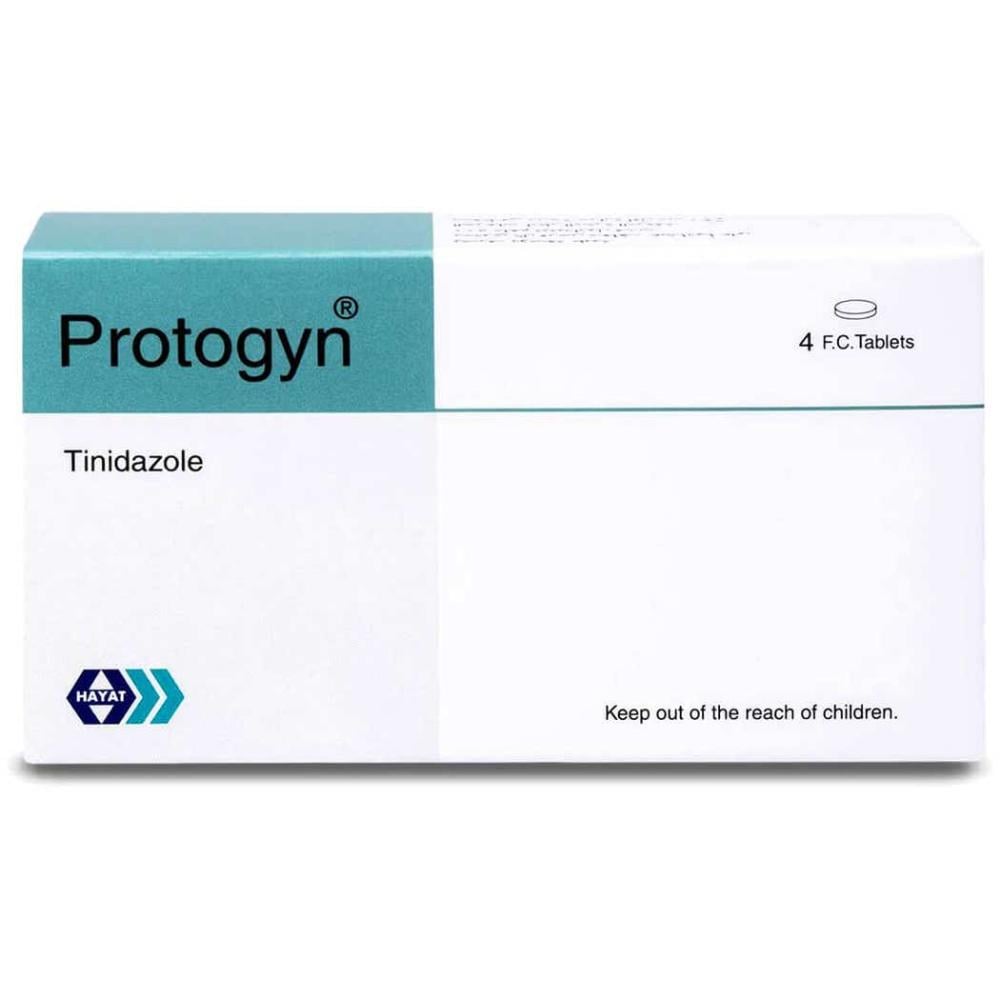
Tinidazole 500 mg tablets
What is tinidazole used for?
- Tinidazole is used to treat the following medical conditions:
- Infections caused by organisms known as protozoa, such as amebiasis, giardiasis (stomach infections), and trichomoniasis (genital infections).
- An infection associated with stomach ulcers in conjunction with other medications.
- gingivitis.
- Before surgical procedures to prevent bacterial infections.
- Infections of the blood, skin, lungs, chest, reproductive organs, or uterine lining.
- Vaginitis.
Do not take tinidazole:
- If you are allergic to tinidazole, any similar medications, or any of the ingredients in this medicine, tell your doctor about the allergy and any symptoms you experience.
- If you currently suffer from or have previously suffered from a blood disorder.
- If you suffer from a disease of the central nervous system, including epilepsy (seizures).
- If you are trying to conceive or during the first 13 weeks of pregnancy.
- If you are breastfeeding.
Warnings and precautions:
- Stop taking the medicine immediately and talk to your doctor or pharmacist if you experience allergic reactions such as shortness of breath, skin rash, swelling of the face or neck, low blood pressure, and dizziness.
- Speak to your healthcare provider if you experience any abnormal neurological signs (such as dizziness, lightheadedness, and difficulty controlling movements) while taking this medication.
- Your healthcare provider may recommend that you stop taking this medication if necessary.
- Do not drink alcoholic beverages during treatment and for 3 days after the last dose. Drinking alcohol while taking this medication may cause stomach cramps, flushing, palpitations, and vomiting.
- This medication may affect fertility in both men and women. Talk to your doctor before starting this medication if you are planning to have a baby.
Possible side effects:
- Possible rare side effects include allergic reactions, cramps, or seizures.
- Common side effects that usually disappear during treatment as your body begins to adjust to the medication include nausea, vomiting, diarrhea, loss of appetite, stomach cramps, pain, headache, rash, itching (usually affecting the whole body), and dizziness.
- Less common side effects include unsteadiness, dark urine, fatigue, redness of the neck or face, numbness, pain, tingling, or weakness in the feet or hands, chills or fever, painful mouth sores, a metallic taste, dizziness, a temporary decrease in white blood cells (which usually does not cause signs or symptoms), tongue discoloration, and swelling or inflammation of the tongue/mouth.
Other medications and tinidazole:
- Tell your doctor or pharmacist if you are taking, have recently taken, or might take any other medicines, including prescription and nonprescription medicines, herbs, vitamins, and supplements.
- Speak to your doctor or pharmacist before taking this medicine if you are taking blood thinners such as warfarin.
How to take tinidazole:
- Take this medicine exactly as your doctor has prescribed. Talk to your doctor or pharmacist if you are not sure.
- Your doctor will determine the duration of treatment and the dosage you need, depending on the infection. Your doctor may recommend a different dosage if you are on dialysis.
- Take the tablet during or after a meal.
- Take the tablet with a full glass of water.
- He swallowed the entire tablet.
- Take your doses at the same time every day.
Children under 12 years old
- This medicine is not recommended for bacterial infections in children under 12 years of age because it has not been studied in this patient group.
- It can be used for protozoal infections in children under 12 years of age because it has been shown not to cause side effects different from those experienced by adults.
- Your doctor will determine the dose needed for the child and may recommend repeating the dose once if the infection is not completely cleared.
Infection associated with stomach ulcers
- The usual recommended dose is one tablet (500 mg) taken orally twice a day. Your doctor will likely prescribe two other medications along with tinidazole.
- The usual duration of treatment with the three drugs is one week.
Most bacterial infections
- The usual recommended dose is 4 tablets (2g) on the first day followed by 2 tablets (1g) once a day or 1 tablet (500mg) twice a day for a total treatment period of 5 to 6 days.
Bacterial vaginosis and acute ulcerative gingivitis
- The usual recommended dose is 4 tablets (2 g) given as a single dose. The dose may be 4 tablets (2 g) on two consecutive days if you have a vaginal infection.
Prevention of bacterial infections after surgery
- The usual dose is 4 tablets (2 g) given as a single dose about 12 hours before surgery.
Protozoal infections, intestinal amebiasis (a type of stomach infection)
- Adults: The usual recommended dose is 4 tablets (2 g) by mouth once a day for 2 to 3 days.
- Children: The usual recommended dose is 50 to 60 mg/kg of body weight orally once a day for 3 days.
Amoebiasis (a type of liver infection)
- Adults: The usual recommended dose is 3 to 4 tablets (1.5 to 2 g) by mouth once a day for 3 to 6 days.
- Children: The usual recommended dose is 50 to 60 mg/kg of body weight orally once a day for 5 days.
Giardiasis (an infection in the abdomen) and trichomoniasis (an infection affecting the genitals in males and females)
- Adults: The usual recommended dose is 4 tablets (2 g) as a single dose.
- Children: The usual recommended dose is 50 to 75 mg/kg of body weight as a single dose.
How to store tinidazole:
- Keep the medicine out of reach of children and pets.
- Store the medicine in a dry place below 25 degrees Celsius.
- Do not use the medicine after the expiry date stated on the carton.
- Keep the medicine in its original packaging to protect it from moisture and light.
- Do not use damaged medicines.
- Do not dispose of medicines in sewage or household waste.