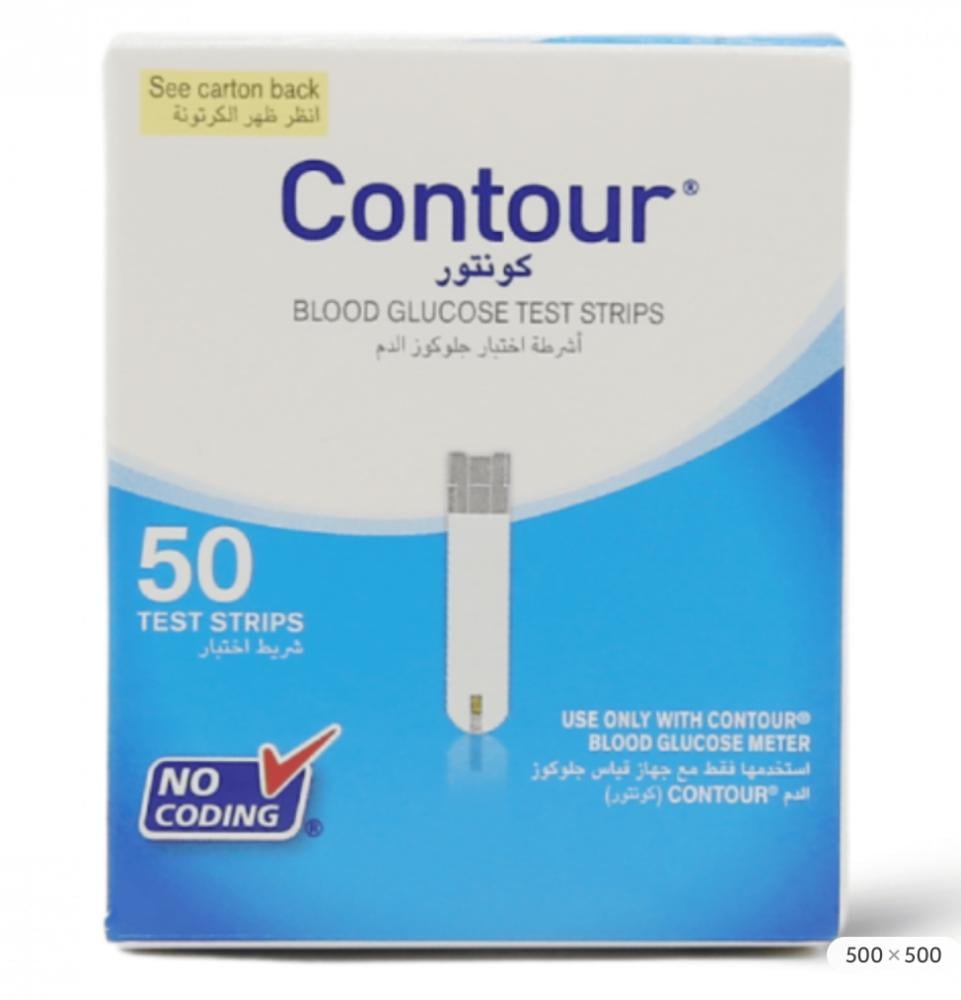
Asencia Contour Blood Glucose Test Strips - 50 Pieces
0
110
110
In Stock
Product Details
Product Rating
Product Details
Product Name
Asencia Contour Blood Glucose Test Strips - 50 Pieces
Belongs to
Medical devices - Blood glucose test strips
Usage
Blood glucose test strips.
Product Features
Contour blood glucose test strips are easy and quick to use as they do not require coding or calibration to get results.
The design of the measuring strips in white makes it easier to see and identify the sample, and requires a very small amount of blood, thus less pain when you prick your finger to take the sample.
How to measure blood sugar levels
Wash your hands and dry them thoroughly. Warming your finger can sometimes help increase blood flow.
Insert the test strip into your measuring device.
Use the needle to prick the tip of your finger.
Gently press and/or massage the tip of your finger until a circular droplet of blood forms at the tip of your finger.
Align the test strip with the drop of blood, then gently touch the strip to the edge of the drop of blood.
The meter will display the blood sugar level on the screen within seconds.
Remove the used tape from its edges, and use alcohol swabs to clean your finger.
What is diabetes?
It is a chronic disease, and if you have diabetes, it means either that you do not have enough insulin or that your insulin is not working properly, leading to high blood sugar levels.
Types of diabetes:
Type 1, in which the pancreas does not produce any insulin at all.
Type 2, in which the pancreas produces an insufficient amount of insulin, or the insulin stops working properly.
Gestational diabetes is a temporary condition in which a woman's insulin becomes less effective during pregnancy.
Common symptoms of diabetes:
Frequent urination.
Extreme thirst.
Extreme hunger.
Fatigue.
Lack of interest and loss of focus.
Numbness in the hands and feet.
Slow wound healing.
Helpful tips for diabetics
All carbohydrates affect blood glucose levels, so it's important to know which foods contain carbohydrates. Choose healthy carbohydrate-rich foods and be mindful of your recommended serving size (carbohydrate intake).
Reduce your salt intake. Consuming too much salt can increase your risk of high blood pressure, which in turn increases your risk of heart disease and stroke. If you have diabetes, you are already at higher risk of all these conditions.
Eat more fruits and vegetables. This can help you get the vitamins, minerals, and fiber your body needs daily to stay healthy.
You can always try low-calorie or zero-calorie sweeteners (also known as artificial sweeteners) to help you cut down on sugar, for example , Stevia, Diet Sugar , or Tropicana, Diet Sugar.
Don't forget to keep moving. Being more active helps you control your blood sugar levels.
Remember to monitor your blood glucose levels regularly using home blood glucose meters.
If you are experiencing symptoms of hypoglycemia such as weakness, dizziness, increased sweating, rapid heartbeat, vision disturbances or difficulty concentrating, eating or drinking something containing sugar will usually help.
Normal blood sugar levels
Random blood glucose test: A blood sample will be taken at a random time. Regardless of when you last ate, a blood glucose level of 200 milligrams per deciliter (mg/dL) or higher indicates diabetes. A blood glucose level below 140 mg/dL is considered normal, and a reading between 140 and 199 mg/dL indicates an increased risk of developing diabetes.
Fasting blood glucose test. A blood sample will be taken after an overnight fast. A fasting blood glucose level below 100 mg/dL is normal. A fasting blood glucose level between 100 and 125 mg/dL is considered prediabetes. If the result is 126 mg/dL or higher on two separate tests, you may have diabetes.
Oral glucose tolerance test: For this test, you fast overnight, and your fasting blood sugar level is measured. You then drink a sugary liquid, and your blood sugar levels are tested periodically over the next two hours.
Product Rating
Asencia Contour Blood Glucose Test Strips - 50 Pieces