
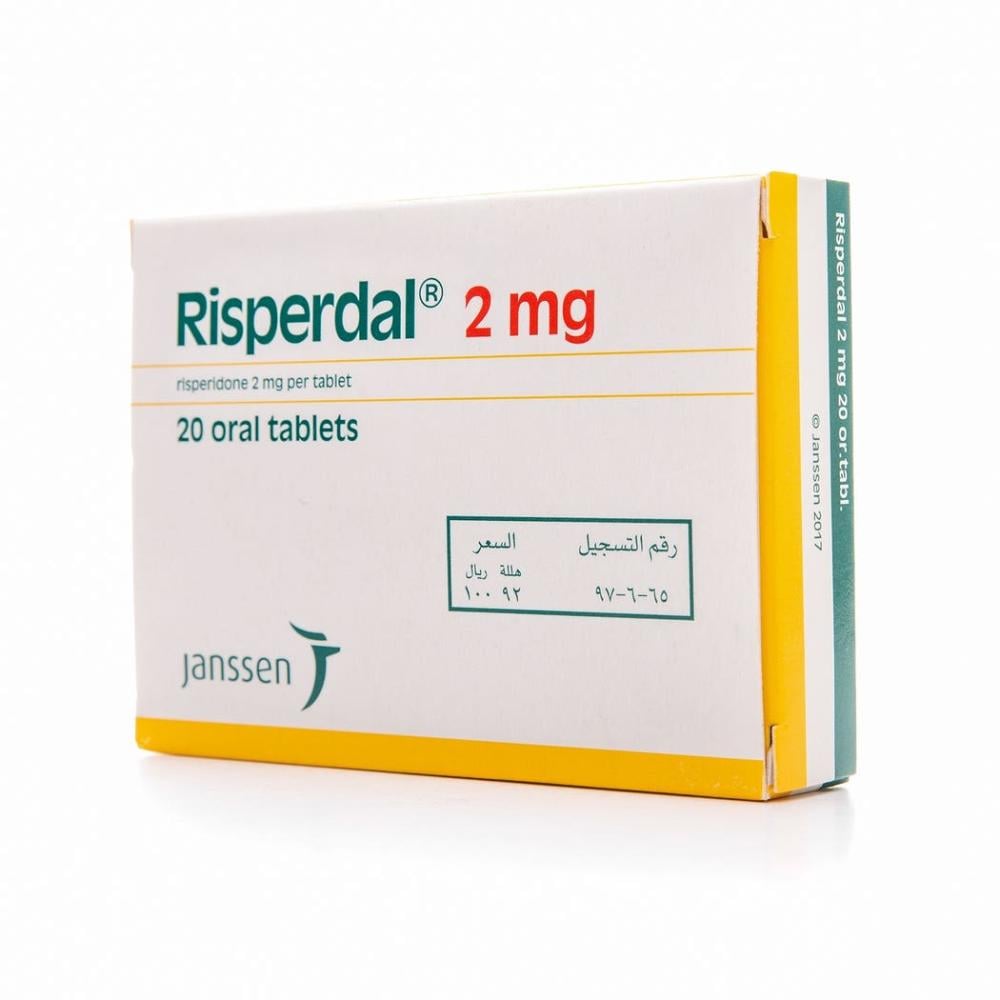
RISPERDAL 2 MG 20 TABS

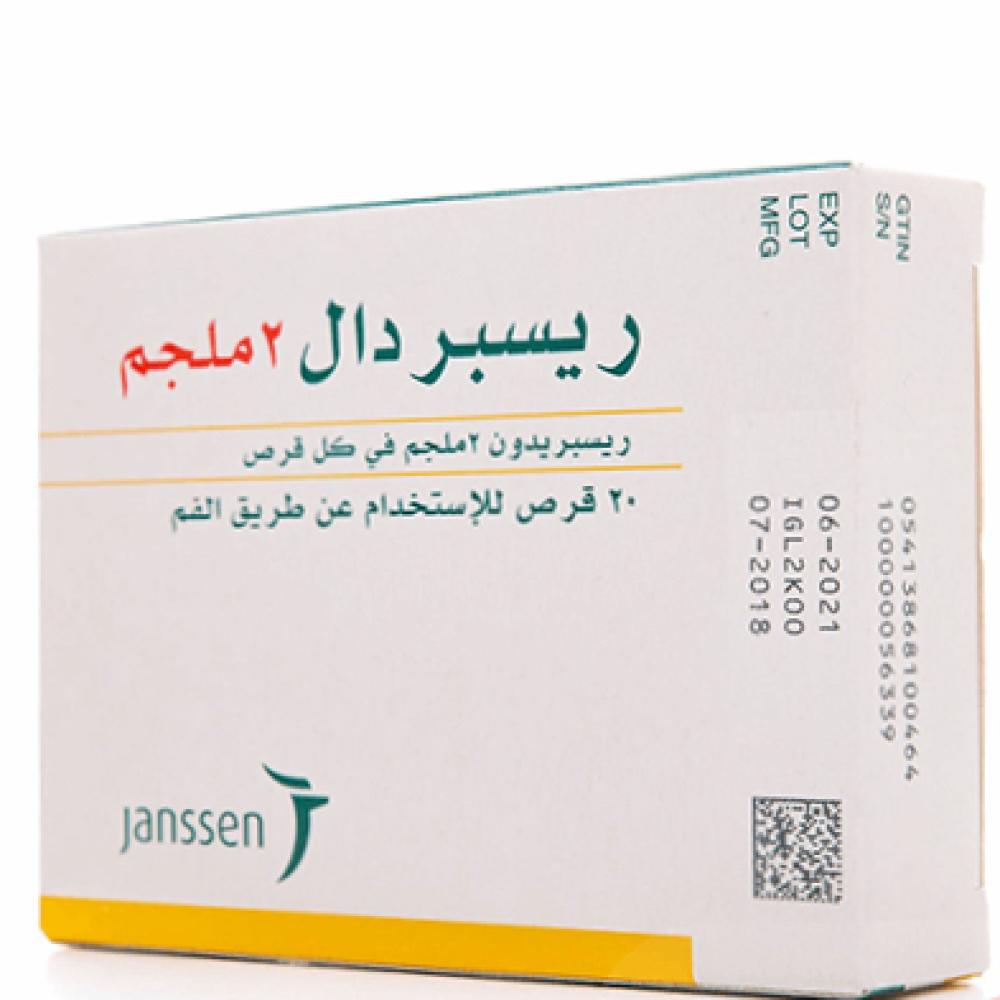
Of the antipsychotics, it binds to certain receptors in the brain (such as dopamine-4 receptors, histamine-1 receptors, serotonin receptors), and affects their function, thereby affecting many processes in the body related to behavior and other things.
It is characterized by a reduced incidence of extrapyramidal side effects that are observed with other treatments.
Schizophrenia.
Treatment of bipolar mood disorder (or manic-depressive disorder).
Treatment of acute agitation symptoms associated with schizophrenia or bipolar disorder (or manic-depressive disorder).
To treat the irritability or aggression associated with autism.
Bipolar disorder.
It should not be used in patients who have shown hypersensitivity to the treatment or to any of its other components.
drowsiness.
dizziness.
headache.
fever.
rash.
Dry mouth.
holding.
Vomiting.
Increased appetite.
Abdominal pain.
indigestion.
incontinence.
shiver.
Rhinitis.
Upper respiratory tract infection.
cough.
There are currently insufficient studies to confirm the safety of this medication for the fetus; it should only be used if the potential benefit outweighs the risk to the fetus. Consult your doctor or pharmacist before taking this medication if you are pregnant.
The drug is excreted in breast milk, which may cause harmful effects on the infant; its use is not recommended.
Other precautions
If the patient has heart or artery disease, dementia, Parkinson's disease, high blood sugar, kidney or liver problems, epilepsy, or is at risk of developing it, the treating physician should be informed, as some cases may require adjusted doses or other precautions.
The treatment may cause a significant increase in weight, so it is advisable to monitor the patient's weight and waist circumference.
It should be given with caution to diabetic patients and those with high cholesterol, and with caution to those taking central nervous system depressants, and only with medical advice.
It is recommended to avoid concurrent use with the following medications:
Antihistamines.
Medications used in mental disorders and imbalances.
Paracomputers.
Drugs.
Sleeping pills.
Alcohol (ethanol).
Therefore, it is advisable to avoid taking any of them without consulting a doctor or pharmacist.
Do not take any new medication or dietary supplement without consulting a doctor or pharmacist.
If you are taking any of the following medications, tell your doctor or pharmacist, as your dose may need to be adjusted or you may need to undergo certain tests:
Carbamezin.
Cimetidine.
Phenytoin.
Rifampin.
Phenobarbital.
Depression treatments such as fluoxetine, paroxetine, and others.
The doctor determines the dose according to the patient's condition and age.
The doses prescribed by the specialist doctor should not be exceeded.
Tablets 1 mg, 2 mg, 3 mg, 4 mg, oral solution 1 mg/ml
The medicine should be stored at room temperature (15-25°C), away from moisture, heat and light.
Do not remove the tablets from their foil packaging until just before taking them. Avoid freezing the syrup.
Orally:
Follow the diet and exercise plan that your doctor told you about.
Take with or without food. Take with food if it causes stomach upset.
Drink plenty of caffeine-free fluids.
It can be taken without mixing the liquid or it may be mixed with 1/2 cup of water and low-fat milk, or orange juice.
Do not mix with cola or tea.
The lozenges are best taken orally with water, coffee, orange juice, or low-fat milk.
It may take several weeks to achieve the desired results.
Be careful in hot weather, and make sure to drink plenty of fluids to avoid dehydration.