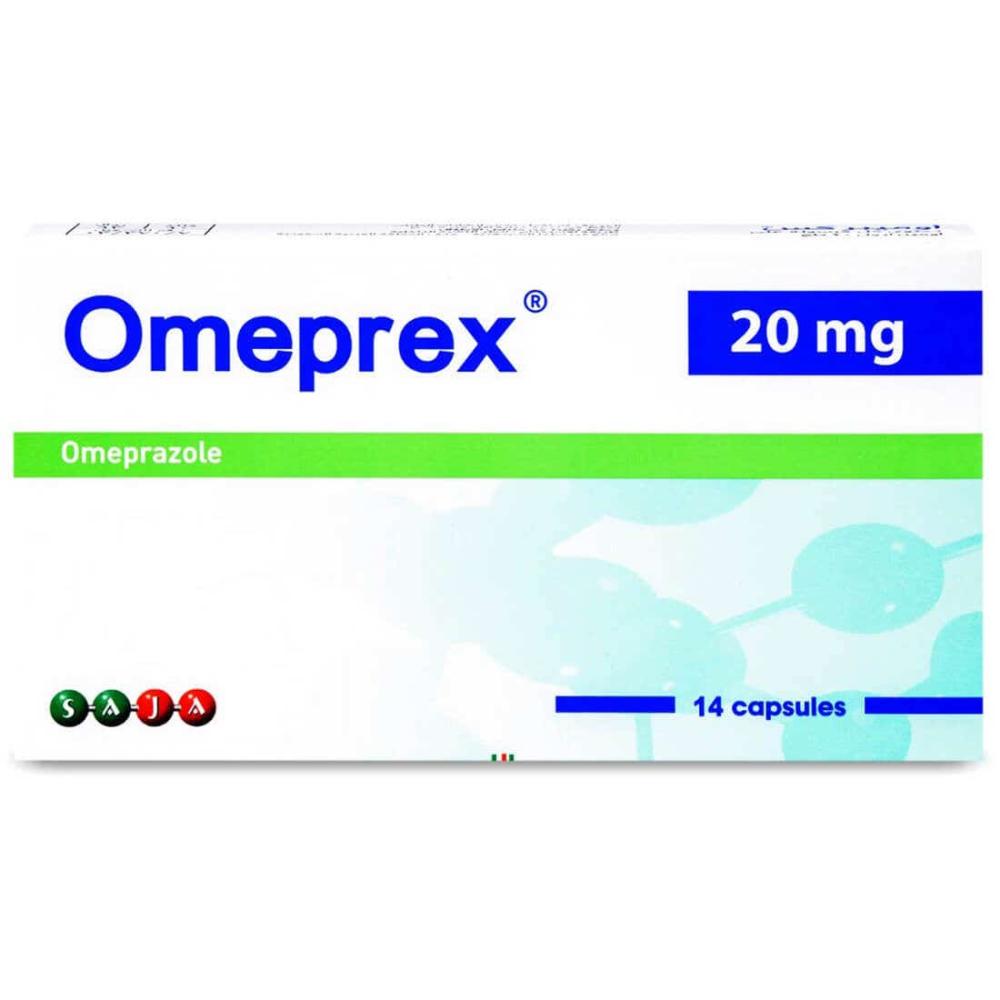
Omeprazole 20 mg hard capsules
Why is omeprazole used?
- Omeprazole belongs to a group of drugs called proton pump inhibitors.
- It works by reducing the amount of acid your stomach produces.
Omeprazole is used to treat the following conditions:
In adults:
- Gastroesophageal reflux disease (GERD).
- This is where stomach acid escapes into the esophagus (the tube that connects your throat to your stomach), causing pain, inflammation, and heartburn.
- Ulcers in the upper part of the intestines or stomach.
- The ulcer is infected with a bacterium called "Helicobacter pylori".
- Ulcers are caused by drugs called non-steroidal anti-inflammatory drugs (NSAIDs).
- Omeprazole can also be used to prevent ulcer formation if you are taking non-steroidal anti-inflammatory drugs.
- Excessive stomach acidity is caused by pancreatic overgrowth (Zollinger-Ellison syndrome).
In children:
- Children over 10 kg and over 10 years of age with gastroesophageal reflux disease (GERD).
- In children, symptoms of the condition can include regurgitation of stomach contents into the mouth, vomiting, and poor weight gain.
- Children and adolescents over the age of 4 years: The ulcer is infected with a bacterium called "Helicobacter pylori".
- Do not take omeprazole:
- If you are allergic to omeprazole or any of the other ingredients of this medicine.
- If you are allergic to other proton pump inhibitors.
Warnings and precautions:
- Speak to your doctor or pharmacist before taking omeprazole.
- Omeprazole may mask the symptoms of other diseases.
- Therefore, if any of the following happens to you before you start taking omeprazole or while you are taking it,
- Speak to your doctor immediately:
- You lose a lot of weight for no reason and suffer from swallowing problems.
- You are experiencing stomach pain or indigestion. You are starting to vomit food or blood.
- Passing black stools (bloody stools). You have been experiencing severe or persistent diarrhea.
- You have serious liver problems.
- You are scheduled to undergo a specific blood test (chromogranin A).
- Taking proton pump inhibitors such as omeprazole, especially for more than a year, may slightly increase your risk of a fracture of the hip, wrist, or spine.
- Tell your doctor if you have osteoporosis or if you are taking corticosteroids (which can increase the risk of osteoporosis).
Possible side effects:
- Like all medicines, this medicine can cause side effects, although not everyone experiences them.
- If you notice any of the following rare but serious side effects.
Stop taking omeprazole and contact your doctor immediately:
- A severe allergic reaction or symptoms of liver problems.
- Other side effects include:
- Headache, diarrhea and stomach pain, constipation and bloating, benign tumors in the stomach, swelling of the feet and ankles
- Disturbed sleep
- Skin rash and itchy skin
- Feeling unwell and lacking energy
- Blood problems: Low sodium levels in the blood
- Feeling disturbed and confused
- depression
- Changes in the sense of taste
- Vision problems such as sudden blurred vision, wheezing, dry mouth
- Inflammation inside the mouth.
- Liver problems.
- Hair loss.
- Skin rash upon exposure to sunlight.
- Joint pain.
Other medications and omeprazole:
- Tell your doctor or pharmacist if you are taking, have recently taken, or might take any other medicines.
- This includes medicines you buy without a prescription.
- This is because omeprazole can affect how some drugs work, and some drugs can affect omeprazole.
Tell your doctor or pharmacist if you are taking any of the following medications used for:
- Fungal infections and heart problems
- anxiety
- Epilepsy
- tuberculosis
- HIV infection
- organ transplant
- mild depression
- Intermittent lameness
- blood clots
- cancer
Instructions for use:
- Always take this medicine exactly as your doctor or pharmacist has told you. Consult your doctor or pharmacist if you are not sure.
- Your doctor will tell you how many capsules you should take and for how long. This will depend on your condition and age.
- It is recommended to take your capsules in the morning. You can take the capsules with food or on an empty stomach.
- Swallow the capsules whole with half a glass of water. Do not chew or crush the capsules.
- This is because the capsules contain coated granules that prevent the medicine from breaking down below the acid in your stomach.
- It is important not to damage the pellets.
How to store omeprazole:
- Keep this medicine out of the sight and reach of children.
- Do not use this medicine after the expiry date stated on the carton, bottle label or plaque after EXP.
- The expiry date refers to the last day of the same month.
- Do not store above 30 degrees Celsius.
- Store this medicine in the original packaging (blister) or keep the bottle tightly closed to protect it from moisture.
- Do not dispose of medicines in sewage or household waste.
- Ask the pharmacist how to dispose of medications you no longer need.
- These measures will help protect the environment.