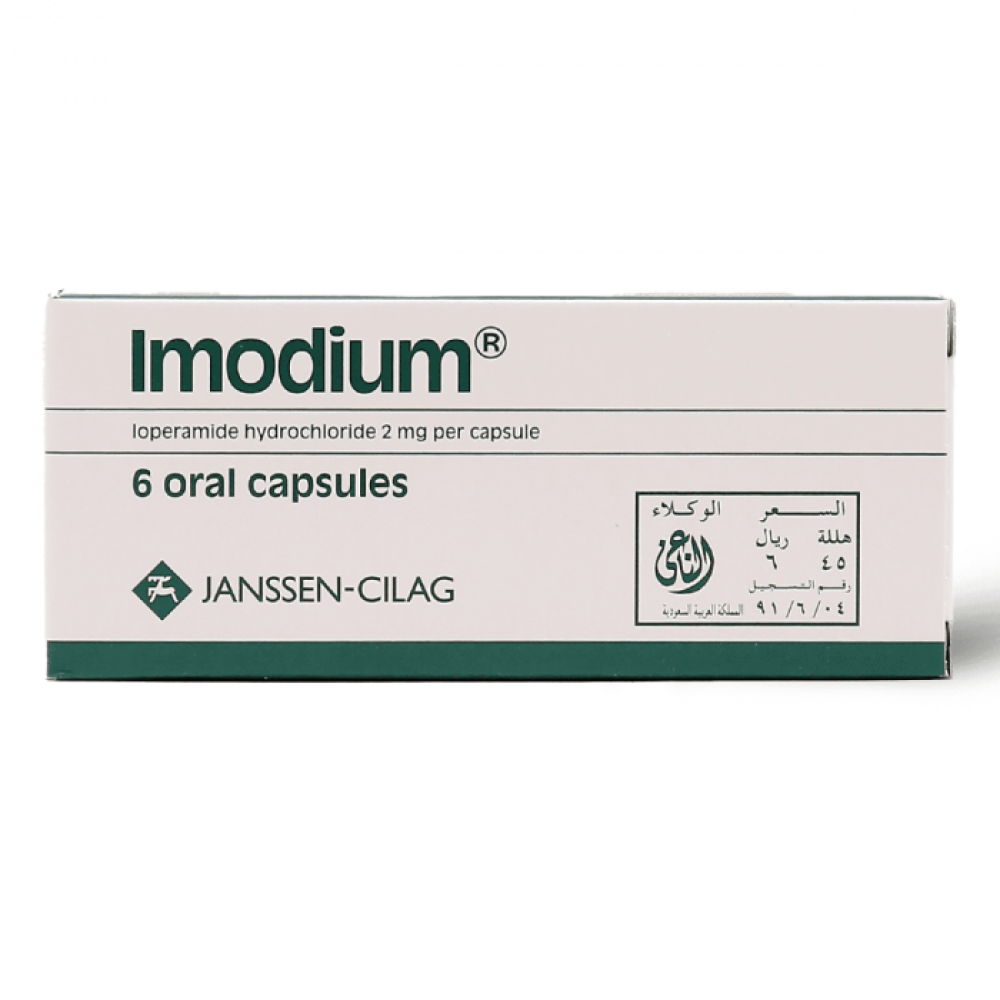
Loperamide 2 mg instant dissolving tablets
What is loperamide and what are its uses?
Loperamide is one of a group of drugs called "antidiarrheals" that are used to treat diarrhea.
Loperamide is used to treat sudden, short-term (acute) episodes of diarrhea in adults and children aged 9 years and over, and long-term (chronic) diarrhea in adults.
It helps reduce diarrhea by slowing down excessive bowel movements, which helps the body absorb water and salts from this organ, making stools firmer and less frequent.
Do not take loperamide:
- If you are allergic to loperamide or any of the other ingredients of this medicine
- If you have severe diarrhea after taking antibiotics
- If you are suffering from an inflammatory bowel disease such as ulcerative colitis
- If you are constipated or your stomach appears bloated (especially in children who are severely dehydrated)
- If you have acute dysentery, symptoms may include blood in the stool and a high fever.
Precautions and warnings
Speak to your doctor or pharmacist before taking loperamide if you:
- If you have AIDS and your stomach is bloated, stop taking the pills immediately and contact your doctor.
- He suffers from liver problems
- You have severe diarrhea where your body is losing more fluids, sugars and salts than usual.
- Diarrhea that lasts for more than 48 hours.
- You will need to replace the fluid by drinking more fluids than usual.
Possible side effects of loperamide:
Stop using Loperamide and tell your doctor immediately if you notice or suspect any of the following. You may need urgent medical treatment.
- Sudden swelling of the face, lips, or throat. Hives (also known as nettle rash or urticaria). Severe irritation, redness, or blisters on your skin. These may be signs of a severe allergic reaction.
- Sores appearing on your skin, in your mouth, eyes, or genitals
- Stomach pain or severe bloating
- severe constipation
- Loss of consciousness or decreased level of consciousness (feeling faint)
- Common side effects
- Headache
- Feeling nauseous (nausea)
- holding
Other medications and Loperamide
In particular, tell your doctor or pharmacist if you are taking any of the following:
- Ritonavir (used to treat HIV)
- Quinidine (used to treat heart rhythm disorders or malaria)
- Itraconazole, Ketoconazole (used to treat fungal infections)
- Gemfibrozil (used to lower cholesterol levels)
- Oral desmopressin (used to treat excessive urination)
- Other medications that slow down or speed up bowel movements
How to take loperamide
Acute diarrhea:
Adults and children over 12 years old:
- Take two tablets to start with, then one tablet after each bout of diarrhea for up to 5 days.
- Do not take more than 8 tablets in any 24-hour period.
Children aged 9 to 12 years:
- Take one tablet 4 times a day until the diarrhea is controlled or for up to 5 days.
- Do not take more than this dose.
Children under 9 years of age:
This medicine should not be given to children under 9 years of age. Other forms/strengths (such as syrup) are available for children aged 4 years and older.
If your symptoms do not improve within two days of taking your first dose of this medicine, you should see your doctor again, who may want to examine you further to check the cause of your diarrhea.
Long-term (chronic) diarrhea
For adults only:
- Your doctor will tell you how much loperamide you should take.
- The initial dose will likely be between two and four tablets daily, taken in divided doses, but this will depend on individual needs. Once your doctor is satisfied that you are receiving the appropriate daily dose, they will likely suggest taking your tablets twice a day.
- Do not take more than 8 tablets in any 24-hour period.
How to store loperamide
- Keep this medicine out of the sight and reach of children.
- Do not use this medicine after the expiry date printed on the label or carton after "EXP". The expiry date refers to the last day of that month. Store in the original packaging.
- If the tablets change color or show any other signs of deterioration, consult your pharmacist who will tell you what to do.
- Do not dispose of medications down the drain or in household waste. Ask your pharmacist how to dispose of medications you no longer use. These measures will help protect the environment.