A valid prescription must be presented upon receipt of the order.
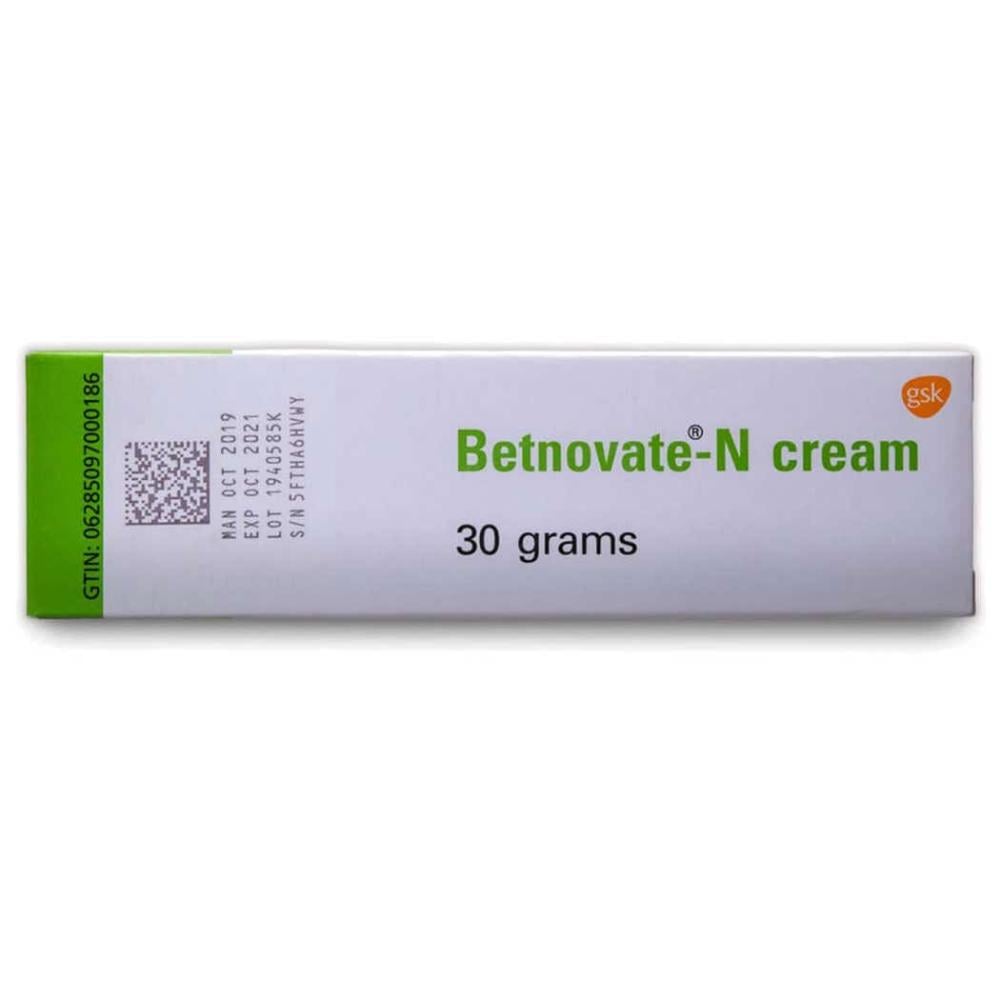
Betamethasone Valerate 0.1% w/w Cream / Neomycin Sulfate 0.5% w/w
What is Betamethasone Valerate/Neomycin Sulfate and what is it used for?
- This product consists of two active ingredients; betamethasone valerate and neomycin sulfate.
- Betamethasone valerate belongs to a class of drugs known as "topical corticosteroids" that work to reduce inflammation, itching, and redness of the skin.
- Neomycin sulfate is a drug that belongs to a class known as "aminoglycoside antibiotics" and works by helping to eliminate bacteria that may cause skin infections.
- This product is used for the effective and rapid treatment of certain skin problems involving dermatitis where the risk of associated infection is a concern, such as:
- Eczema (a common skin disorder that causes itchy, red skin).
- Nodular pruritus (formation of hard, itchy lumps on the skin).
- Chronic lichen simplex (itchy patches of thickened skin from scratching).
- Psoriasis (thick patches of red, inflamed skin, usually covered with silvery scales) with the exception of widespread plaque psoriasis.
- Lichen planus (red to purple, itchy, flat bumps on the forearms, lower legs or wrists).
- An allergic skin reaction (such as contact dermatitis) due to an allergen that comes into contact with your skin.
- Otitis externa (inflamed, scaly, red skin of the outer ear and ear canal).
- Skin reactions due to insect bites.
- Seborrheic dermatitis (a scaly, red, itchy rash on the scalp, chest, back, and face).
- Prickly heat (a skin rash caused by sweat trapped in the skin).
- Genital and anal folds (a skin rash that usually affects the skin folds in the vagina or penis due to skin-to-skin friction and moisture).
Do not use betamethasone valerate/neomycin sulfate:
- If you are allergic to betamethasone valerate, neomycin sulfate, or any of the ingredients in this product.
- If the packaging is torn or shows signs of tampering.
- If the expiry date mentioned on the medicine container has passed.
- If you experience an allergic reaction or skin irritation when using this cream/ointment.
- If you are pregnant, planning to become pregnant, or breastfeeding.
- If you suffer from other skin problems (for example, fungal infections such as athlete's foot or oral thrush; bacterial skin infections; anal or genital itching;
- Viral skin infections such as cold sores, shingles, chickenpox; acne; itchy, non-inflammatory skin; some bacterial infections; otitis externa (swimmer's ear) if the ear is pierced;
- (Dermatitis around the mouth; unusual facial redness with papules, small blood vessels, or pus-filled bumps known as rosacea).
- Using this medication for other skin conditions may worsen your problem. Ask your doctor or pharmacist if you are unsure.
- In children under the age of two.
- In large areas of the body or in large quantities due to the known ototoxicity (ear damage) and nephrotoxicity (kidney damage) resulting from the use of neomycin.
Warnings and precautions:
- Stop using the medicine immediately and talk to your doctor or pharmacist if you experience any allergic or skin reactions to any of the ingredients in this cream/ointment.
- Such as skin itching, skin redness, shortness of breath, rash, swelling of the face or neck, low blood pressure and dizziness.
- This medication is for external topical use only. Do not swallow this product.
- Avoid contact of the cream/ointment with the lips, eyes, mouth, sensitive areas of the neck and corners of the nose to avoid irritation.
- In case of accidental contact, make sure to rinse the area thoroughly with warm water and then dry it.
- Speak to your doctor immediately if you or your child are experiencing any vision problems (such as blurred vision).
- Make sure you do not use any occlusive dressings if you have a skin infection.
- Speak to your doctor before starting this medication if you are allergic to any other medications, dyes, foods, or preservatives.
- If you are pregnant, planning to become pregnant, breastfeeding, or planning to breastfeed, if you have any other health problems (especially if you have an infection).
- Make sure to tell your healthcare providers that you are using this medication.
- Do not use this product for more than 7 days unless recommended by your doctor.
- Speak to your doctor if you are not using this product as directed to make sure they do not switch you to another treatment thinking this medicine is not right for you.
- Do not share this medicine with anyone else, even if they have the same symptoms.
- Do not use tight diapers or plastic pants if this product is to be used in the diaper area of young children.
- If your doctor recommends using a bandage, clean the skin thoroughly before applying it to prevent infections.
- Do not place this medicine under tight clothing to avoid thinning the skin.
- Do not use this medication for a prolonged period of time over large areas to prevent excessive absorption and subsequent unwanted side effects such as subcutaneous blood vessels.
- Stretch marks, changes in skin color, increased body hair growth, rounding of the face, thinning of the skin or weight gain.
- Do not use this product for any other purpose.
- Do not dilute (lighten) this medicine.
- You are more likely to experience an allergic reaction or infection if you apply this product to an area of skin affected by eczema around a leg ulcer.
- Talk to your doctor if you have a leg ulcer.
- If your skin does not feel better or worsens after 7 days, talk to your doctor for reassessment.
- Antibiotics have been shown to increase the risk of pseudomembranous colitis (a type of bowel inflammation) in some patients.
- The risk of this problem occurring with this product is low because it contains a topical (non-systemic) antibiotic; however, the risk is higher if it is used for long periods of time or in large quantities.
- Stop using this product and be sure to talk to your doctor if you develop signs of pseudomembranous colitis such as diarrhea or abdominal cramps.
- This drug may cause suppression of the hypothalamic-pituitary-adrenal (HPA) axis and hypercortisolism (Cushing's syndrome; increased cortisol levels) due to increased systemic absorption of topical corticosteroids.
- Your doctor will gradually reduce this medication or switch you to another, less potent topical corticosteroid if any of these symptoms occur.
- This product should not be stopped abruptly to avoid glucocorticoid deficiency. You are more likely to experience systemic side effects depending on several factors, including the type and strength of the corticosteroid used, the duration of corticosteroid use, its application to affected skin, large areas of the body, covered areas of skin, or areas of thin skin such as the face.
- This medication may increase the risk of contact sensitization (increased allergic reactions to the product even when your skin comes into contact with a small amount of the product) when used for long periods of time.
- This medication may worsen the infection and increase its spread because it can mask the signs of infection. If this happens, your doctor should gradually stop this medication and start you on antibiotics if necessary.
Possible side effects:
- Possible side effects include allergic reactions (such as rash, itching, red, swollen, blistering, scaly skin, blistering rash, or wheezing).
- Or swelling of the eyelids, lips, face and mouth, chest tightness, fainting and difficulty breathing), and deterioration of your skin condition or skin injury.
- Common side effects include itching, a burning sensation on the skin, and localized skin pain. Very rare side effects include small blood vessels under the skin and stretch marks.
- Hair loss, skin redness, dry skin, skin wrinkling, skin thinning, pustular psoriasis (raised, pus-filled bumps under the skin that rarely occur during or after treatment if you have psoriasis),
- Opportunistic infections (infections that occur when you have a weakened immune system), local hypersensitivity (skin allergic reactions), suppression of the hypothalamic-pituitary-adrenal axis, signs of hypercortisolism (such as moon face and weight gain),
- Delayed weight gain and growth in children, osteoporosis, cataracts or glaucoma (increased eye pressure), high blood sugar or glycosuria (increased glucose in the urine).
- High blood pressure, weight gain or obesity, decreased levels of cortisol produced in the body, irritation at the application site, increased hair growth, hair thickening or hair weaknesses that lead to easy breakage, skin discoloration, allergic contact dermatitis (skin allergic reactions when the skin comes into contact with an allergen or substance) and skin rash.
Other medications and betamethasone valerate/neomycin sulfate:
- Tell your doctor or pharmacist if you have recently used, are using, or might use any other medicines, including topical products (such as creams, lotions, and ointments).
- If you are taking itraconazole (used to treat certain fungal infections).
- If you are taking ritonavir (used to treat HIV).
- If you are taking neuromuscular inhibitors (used to induce paralysis in certain procedures).
- If you are taking systemic aminoglycoside antibiotics (used to treat certain bacterial infections).
How to use Betamethasone Valerate/Neomycin Sulfate:
adults
- Apply a thin layer of cream/ointment and massage it gently into the affected area as directed by the doctor (usually once or twice a day).
- If your doctor recommends a longer course of treatment, you will be switched to another corticosteroid product that does not contain neomycin.
children
- The dosage for children over two years old is the same as for adults. Do not use this medicine for children under two years old.
- This medicine is not recommended for children (especially if they are under 12 years old) unless advised by your doctor.
- If recommended by the doctor, the child should be closely monitored for the development of any unwanted side effects such as growth retardation or adrenal cortex suppression (a decrease in cortisol production in the body).
- Children are more likely to experience local and systemic side effects of topical corticosteroids, and therefore require a shorter treatment period and milder medications than adults.
the elderly
- The minimum dose and duration of this product should be used in elderly patients due to their slower ability to eliminate drugs from their bodies.
Usage instructions:
- Wash and dry your hands before and after using the cream/ointment (do not wash your hands after using it if it was used on the skin of your hands).
- If you are applying this medicine to someone else, make sure you wear disposable plastic gloves or wash your hands immediately after applying the cream/ointment.
- Make sure to replace the cap on the tube after using the cream/ointment to avoid leaking the medicine.
- Make sure you follow your healthcare provider's instructions.
- Make sure to keep the cream/ointment away from your eyes (glaucoma and cataracts may occur due to eye exposure to the product).
- In case of accidental contact, wash your eyes thoroughly with running water for at least 10 minutes.
- Make sure not to place the cream/ointment under the bandage or plaster in order to prevent excessive absorption of the drug and subsequent unwanted side effects (nerve damage).
- If you are using a moisturizer, allow time for that cream/ointment to absorb into your skin before applying the moisturizer.
- If you are using this medicine for thick patches due to psoriasis on your elbows or knees, your doctor may recommend placing the cream/ointment under a tightly sealed dressing at night to help the medicine start working.
- After that, the cream/ointment will set naturally after a short period of time.
- Do not use this cream/ointment on your face unless directed by your doctor. If your skin condition does not improve, be sure to contact your doctor immediately.
- Do not use this cream/ointment on skin wounds, large areas of skin, or in skin folds (such as the back of the knee) unless directed by your doctor.
- Using less of this medication than recommended may result in your skin not improving.
- Your doctor will determine how long you should use this product and may also adjust the frequency of its use based on your response.
- This medication is associated with more side effects if it is used for longer periods of time.
- Do not change how you use this medicine without consulting your doctor first.
- Ointments are used when the skin is dry and flaky, while creams are used when your skin is moist and oozing.
- The dose may be reduced if you have impaired kidney function.
How to store betamethasone valerate/neomycin sulfate:
- Keep the medicine out of the reach of children and pets (for example, a locked cabinet 1.5 meters above the ground).
- Store the medicine in a dry place below 30 degrees Celsius.
- Do not use the medicine after the expiry date stated on the cream/ointment.
- Do not dispose of medication in wastewater or household waste. Ask your pharmacist how to dispose of medications you no longer use.
- Do not leave the medicine on windowsills or in the car.
- Keep the medicine in its original packaging to protect it from moisture and light.